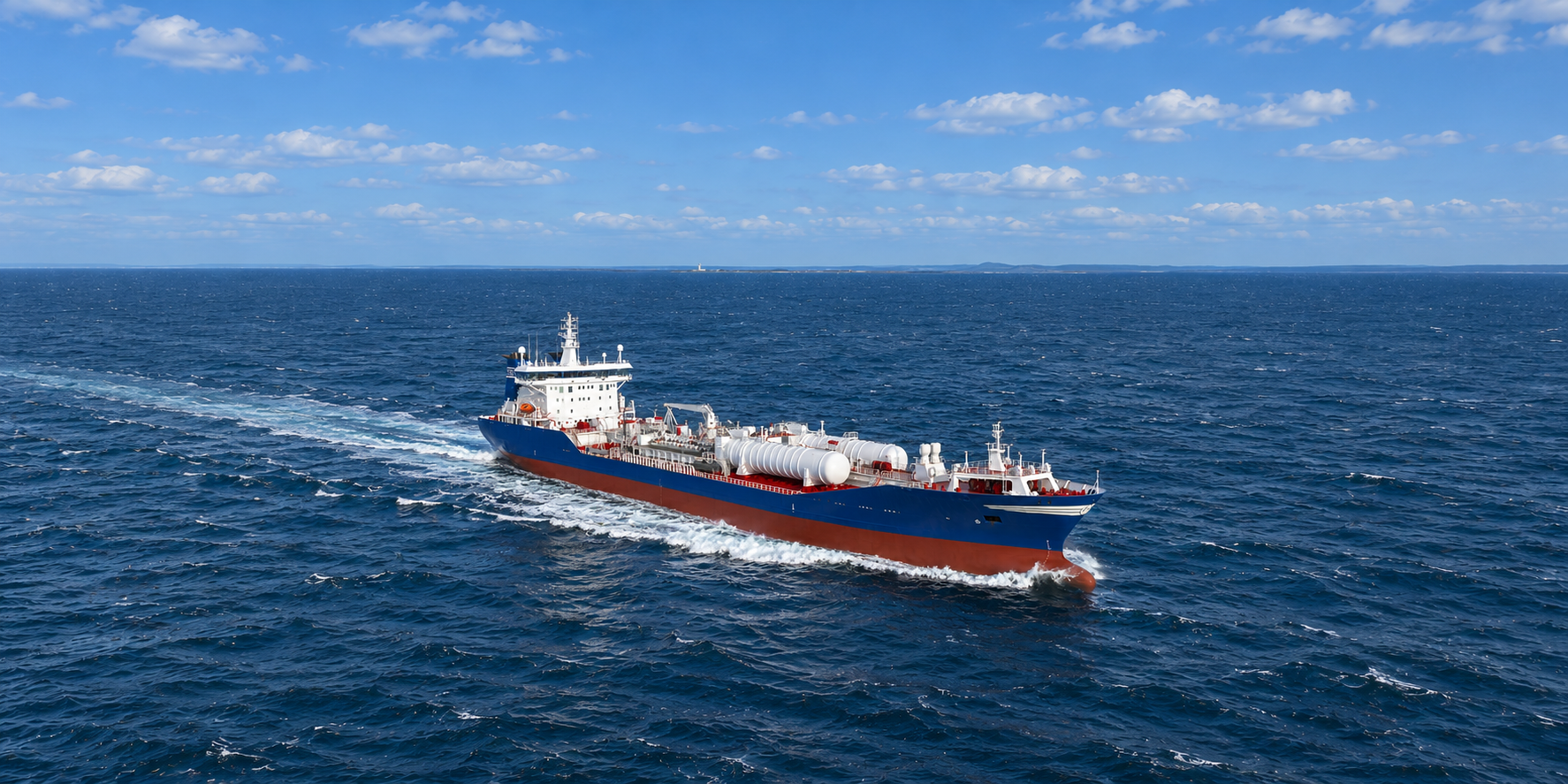
LNG is an established alternative marine fuel used across ferries, offshore vessels, tankers and container ships. For shipowners considering a conversion, its suitability depends on the vessel’s operating profile, machinery, available space and access to bunkering infrastructure.
Introducing LNG changes how fuel is stored, supplied and managed onboard. It also affects structural arrangements, electrical systems, automation and safety functions, creating interfaces that must be considered together from the start of the project.
A successful conversion therefore depends on how the complete fuel installation is integrated into the existing vessel and how it supports the vessel’s intended operations.
Liquefied natural gas is stored at approximately −162°C in insulated tanks before being conditioned and supplied to the engines. Compared with conventional fuel oil, it can reduce combustion CO₂ emissions and substantially lower sulphur oxides and particulate emissions. Nitrogen oxide reductions depend on the engine technology and any additional emissions control systems.
Dual-fuel engines also provide operational flexibility by allowing the vessel to use liquid fuel when gas is unavailable. LNG installations can offer a route to using bio-LNG or synthetic LNG, subject to fuel specifications, availability and the emissions associated with their production.
The overall climate benefit requires a separate assessment. Methane slip, where unburned methane escapes through the engine exhaust, and methane emissions elsewhere in the supply chain can reduce or offset the advantage of lower combustion CO₂ emissions. Engine selection, operating loads and the fuel production pathway therefore need to be included in vessel-specific lifecycle calculations.
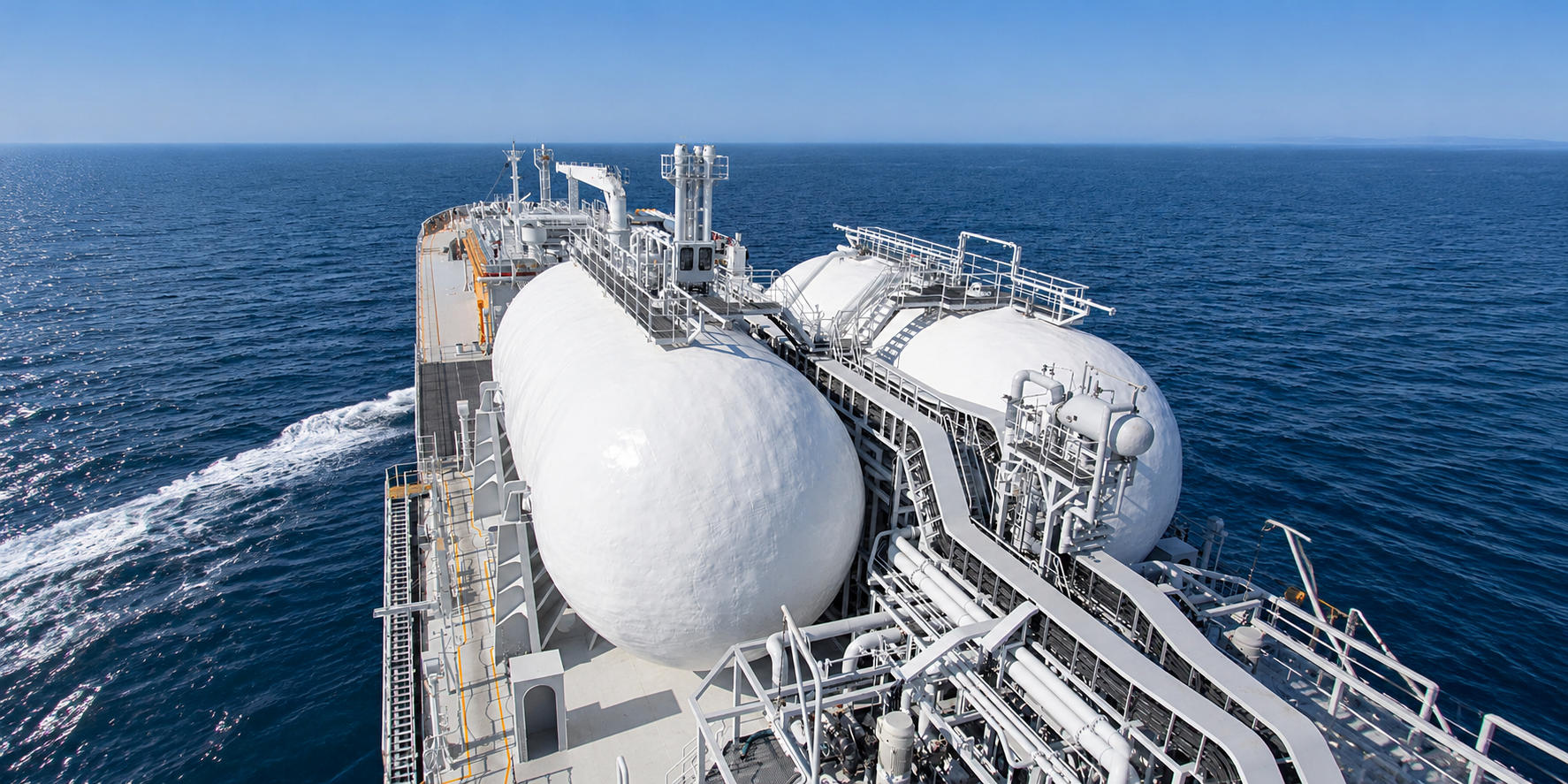
An LNG conversion introduces equipment and operating requirements that extend across several engineering disciplines. Tank selection, for example, affects the vessel’s arrangement and endurance, while the engine technology determines the pressure, temperature and capacity required from the fuel supply system.
Key integration areas include:
Coordinating these elements under one engineering scope helps ensure that the tank, fuel supply system, machinery and safety arrangements operate together as a complete installation.
Feasibility work establishes whether LNG is a practical option for the vessel’s remaining service life and intended employment. This includes the endurance required between bunkering stops, fuel availability along operating routes, machinery conversion options and the effect of new equipment on usable space.
Operating patterns also influence the design. A vessel spending extended periods at berth or operating at low loads may have different tank pressure management and fuel supply requirements from one running continuously at higher loads.
Early surveys help confirm installation constraints and the condition of existing systems. Combined with equipment procurement and prefabrication planning, they allow engineering and approval activities to be aligned with scheduled dry-dockings.
Defining interfaces and commissioning requirements early also helps identify which work can be completed before the vessel arrives at the yard and which activities require onboard access.
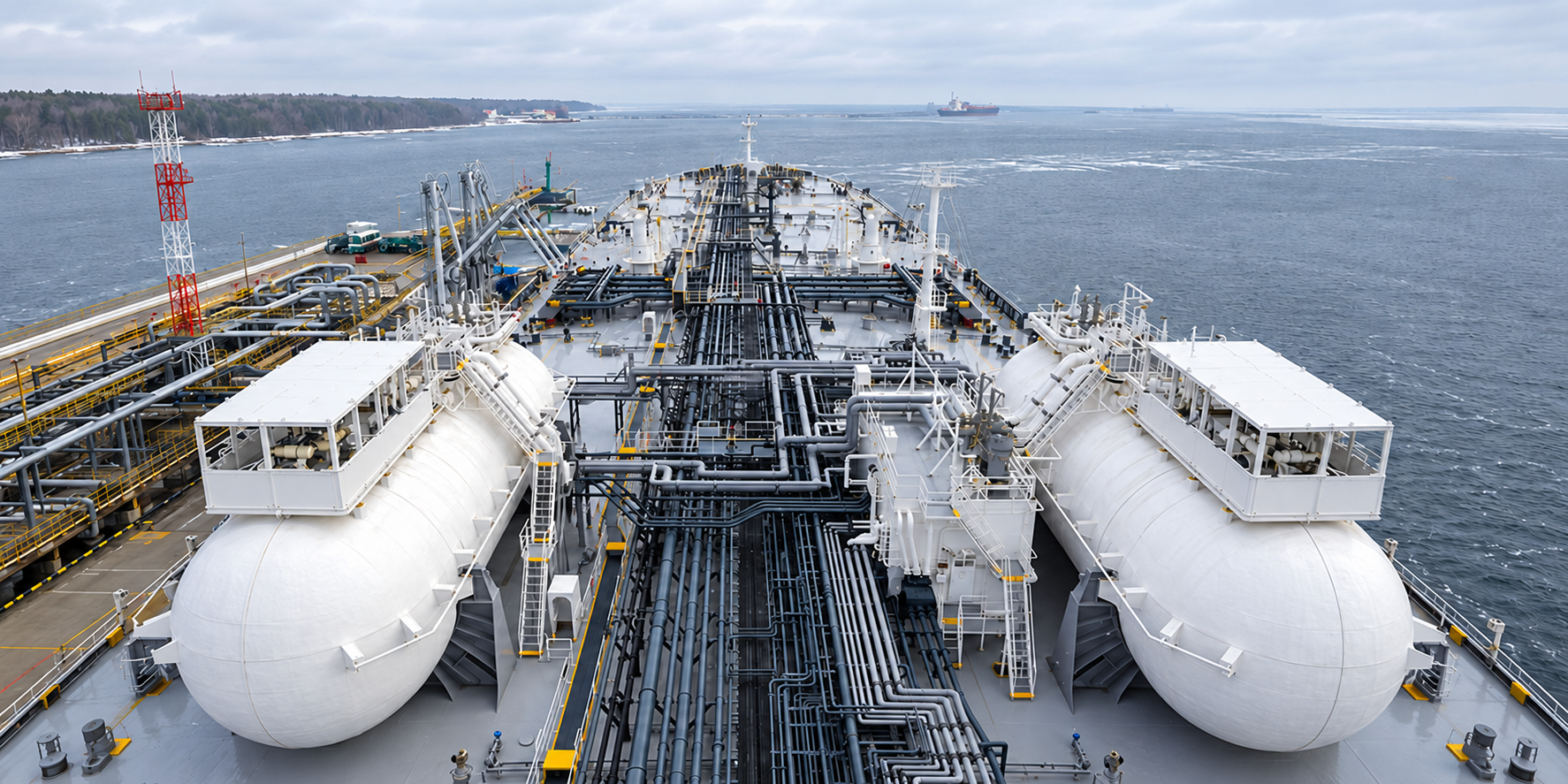
At GLO Marine, we support LNG projects through feasibility assessments, detailed engineering, Class approval coordination and installation planning.
Our multidisciplinary teams translate equipment and engine manufacturer requirements into structural, piping, electrical and automation solutions, coordinating the interfaces between the new fuel installation and existing ship systems.
Working alongside equipment suppliers, engine manufacturers and our partners at FuelTech A/S, we help align the technical scope with the vessel’s operating requirements and the planned conversion schedule.
By considering the complete installation from the initial feasibility stage, we help shipowners understand the implications of an LNG conversion and develop an engineering scope that supports safe integration and practical onboard execution.
Assess your vessel’s operating profile, machinery, onboard arrangement and bunkering options to understand whether LNG fits your route, conversion timeline and business case.


