Marine Switchboard, PMS & AMS Retrofit | Coordinated Power Systems Modernisation

Switchboard, PMS, and AMS modernisation projects are increasingly being evaluated together as vessel owners extend fleet lifetime, integrate new electrical loads, and prepare ageing vessels for future operational and regulatory requirements. Modern vessel operations increasingly require improved protection coordination, blackout recovery capability, alarm visibility, digital monitoring, and future readiness for BESS, shore power, hybridisation, or DP2 extension.

We support vessel owners and operators with feasibility-stage engineering, switchboard modernisation, PMS and AMS integration, protection studies, and Class-compliant retrofit execution for coordinated marine power systems modernisation projects.

Why Switchboards, PMS, and AMS Modernise Together


Switchboards, PMS, and AMS sit at the centre of the vessel’s electrical architecture. Generator load sharing, fault discrimination, blackout recovery, alarm hierarchy, and operator visibility all depend on how these systems interact with each other. In practice, modification of one system almost always triggers an electrical engineering review of the others. Protection settings require recoordination when PMS logic changes, while switchboard modifications often affect alarm mapping, monitoring functions, and commissioning sequences across the wider electrical system.
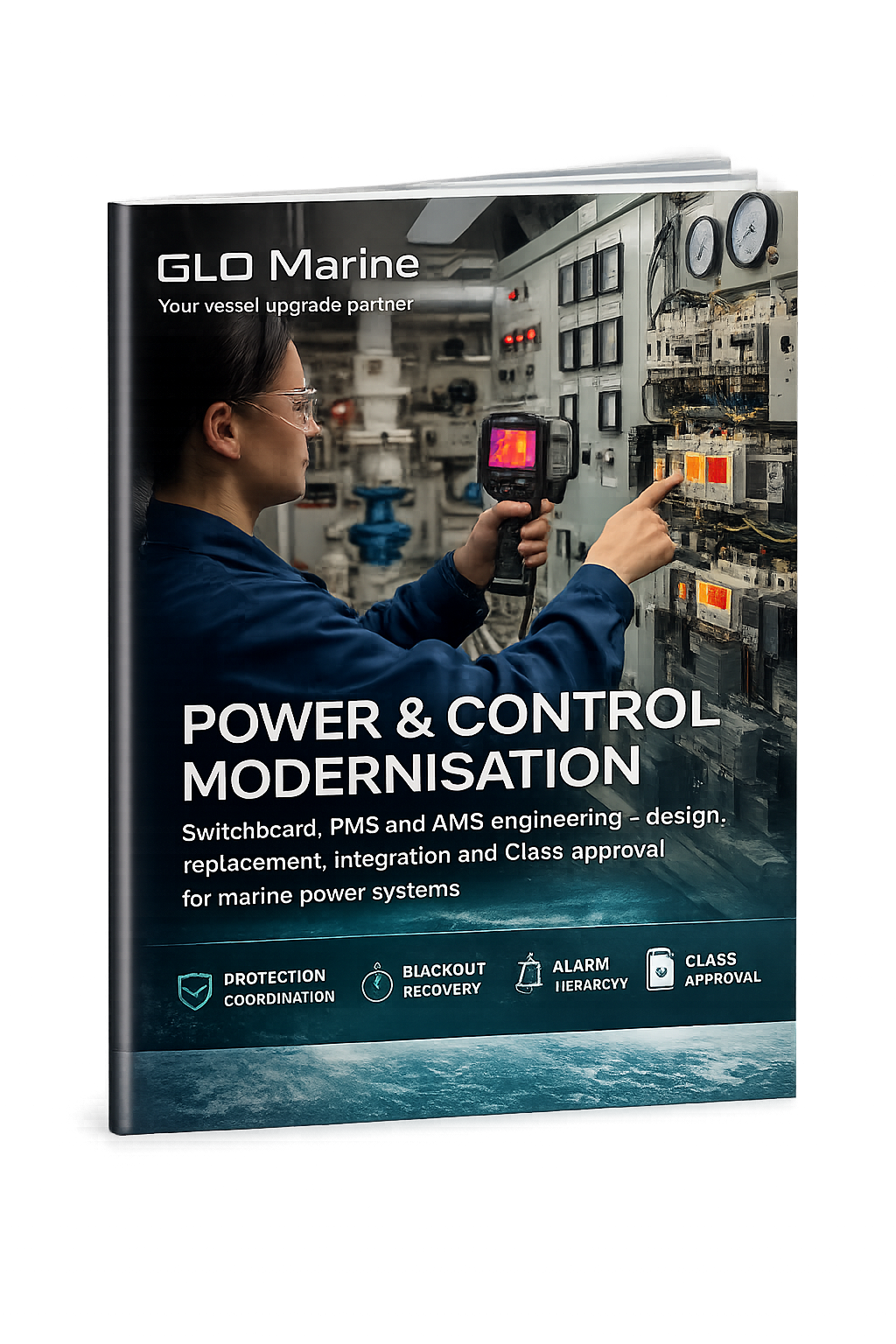
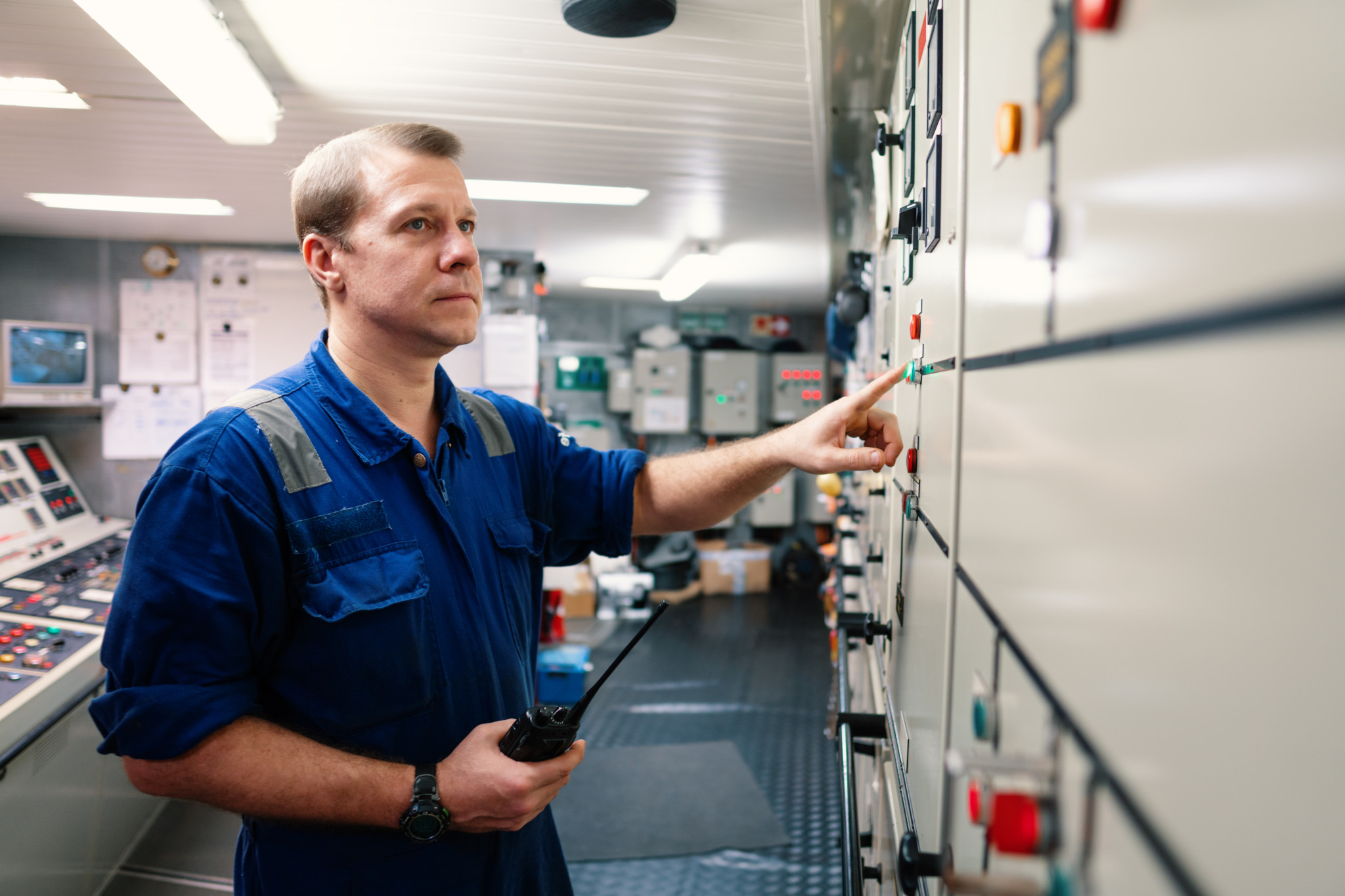
For this reason, modernisation projects are increasingly engineered as one coordinated retrofit scope rather than separate electrical upgrades. Industry retrofit projects have shown that coordinated power systems modernisation can often be completed without full replacement of the vessel’s existing electrical architecture. In many cases, the scope focuses on switchboard modification, numerical relay upgrades, PMS redesign, AMS integration, discrimination studies, blackout recovery optimisation, and updated Class documentation delivered within a single engineering and drydock campaign.

Download the Marine Power Systems Modernisation Guide

Get an overview of coordinated switchboard, PMS, and AMS retrofit engineering, including protection coordination, OEM agnostic integration, future readiness for BESS and shore power, and Class compliant marine power systems modernisation strategy.

What’s inside:

✔ Switchboard, PMS, and AMS integration overview
✔ Protection coordination and blackout recovery logic
✔ OEM agnostic retrofit architecture planning
✔ Future readiness for BESS, OPS, and DP2 integration
Get the Guide

Power Systems Modernisation & Future Ready Electrical Architecture

Modern vessel retrofit projects increasingly combine switchboard and automation modernisation with future-ready electrical architecture planning. Operators are preparing fleets for shore power integration, hybridisation, BESS capability, DP2 extension, VFD integration, increased hotel load, and future decarbonisation requirements without requiring secondary rework later in the vessel lifecycle.

Future-ready marine grid modernisation typically includes engineering review of generator configuration, switchboard topology, protection coordination, PMS logic, AMS architecture, operational redundancy philosophy, load profile, and fault discrimination. Modern retrofit projects increasingly combine switchboard engineering, numerical relay protection, PMS integration, AMS architecture, and operational power management into one coordinated electrical engineering scope.

Key Operational & Commercial Benefits of Power Systems Modernisation

Improved Fault Discrimination & Protection

Modern IEC 61850 numerical protection improves selectivity, event recording, and operational fault management capability.

Improved Blackout Prevention & Recovery

Modern PMS logic improves generator load sharing, synchronisation, and blackout recovery performance across the vessel power system.

Improved Operator Visibility

Integrated AMS platforms support remote monitoring, trend analysis, alarm management, and predictive maintenance capability.

Future Ready Electrical Architecture

Modernised switchboard and PMS architecture prepares vessels for future OPS, BESS, hybridisation, and DP2 integration pathways.


Why GLO Marine for Power & Control Modernisation Projects

GLO Marine supports vessel owners and operators with feasibility-stage engineering, retrofit planning, and execution support for coordinated switchboard, PMS, and AMS modernisation projects. Our approach combines marine electrical engineering, protection coordination, automation integration, and Class-compliant retrofit planning focused on long term operational reliability and future upgrade readiness.

We support OSVs, PSVs, AHTSs, FPSOs, tankers, ferries, RoRo vessels, cruise vessels, and offshore fleets through switchboard engineering, PMS upgrades, AMS integration, discrimination studies, blackout recovery optimisation, and Class re-approval. Projects are structured to minimise drydock time while aligning the vessel with future operational and compliance requirements.

Our teams coordinate closely with Class societies, switchboard OEMs, PMS integrators, automation suppliers, shipyards, and commissioning stakeholders to deliver technically robust and commercially practical power systems modernisation projects from feasibility through certification.

Contact our Engineering Team

Complete Marine Power System Modernisation Engineering & Retrofit Support

Coordinated switchboard, PMS, and AMS retrofit projects require careful engineering review across protection systems, automation logic, operational redundancy, Class compliance, and future integration capability. Our retrofit approach combines electrical engineering, power system integration, commissioning, and Class approval into one structured modernisation programme.

The process begins with technical review of the vessel’s existing switchboard architecture, PMS and AMS configuration, generator arrangement, protection philosophy, blackout recovery logic, operational load profile, existing Class findings, future upgrade requirements, and planned drydock schedule. This stage determines the technical and commercial viability of the retrofit scope.

Modernisation projects typically require updated protection studies, relay coordination review, fault level calculations, discrimination analysis, and blackout recovery assessment to ensure safe and reliable operation across the vessel power system.

Engineering scope may include switchboard modification, numerical relay integration, PMS redesign, AMS modernisation, IEC 61850 integration, automation upgrades, and preparation for future loads such as OPS, BESS, or DP2 extension.

Retrofit execution includes equipment installation, cable routing, switchboard integration, automation implementation, testing, and commissioning coordination structured to minimise operational downtime during the drydock window.

Final project stages include commissioning, harbour and sea trials, operational testing, protection verification, alarm validation, and Class re-approval support across all integrated electrical and automation systems.


Power Systems Modernisation as Part of Fleet Lifetime Extension Strategy

Power systems modernisation is increasingly assessed not only as an electrical upgrade, but as part of broader fleet lifetime extension, operational reliability, and energy efficiency strategy. Coordinated retrofit projects can improve operational stability, reduce blackout risk, improve maintenance visibility, extend equipment supportability, and prepare vessels for future operational requirements without major structural intervention.

Modernisation projects may also prepare vessels for future shore power integration, hybridisation, battery systems, DP2 conversion, and VFD integration for pumps, fans, and auxiliary systems. Combined electrical and energy efficiency upgrades can support reduced fuel consumption, improved generator loading, lower auxiliary engine demand, improved CII performance, and broader decarbonisation planning.

View Energy Efficiency & Optimization Solutions

Future-Ready Electrical Upgrade Pathways

Hybridisation & BESS Integration

Battery supported marine power systems can improve load stability, reduce generator running hours, and prepare vessels for future decarbonisation requirements. Hybrid integration is increasingly evaluated alongside switchboard and PMS modernisation projects.

Scope:

✔ BESS feasibility and integration review
✔ PMS logic and load sharing optimisation
✔ Hybrid-ready switchboard architecture
✔ Future FuelEU and emissions reduction planning
Explore Hybridisation Solutions

DP1 to DP2 Conversion

Power systems modernisation often forms the electrical foundation for future DP2 conversion projects. Upgraded switchboards, PMS logic, protection coordination, and redundancy architecture support offshore charter readiness and operational resilience.

Scope:

✔ Power redundancy and UPS segregation review
✔ PMS and switchboard integration planning
✔ FMEA and redundancy engineering support
✔ DP2-ready electrical architecture planning
Explore DP2 Conversion Solutions

Shore Power (OPS) Retrofit

Modern switchboard and PMS retrofit projects increasingly prepare vessels for future shore power integration and AFIR 2030 readiness. Coordinated electrical architecture planning reduces secondary rework during future OPS retrofit phases.

Scope:

✔ Shore power readiness assessment
✔ PMS and synchronisation integration review
✔ Future HV and LV OPS architecture planning
✔ IEC IEEE 80005 compliance preparation
Explore Shore Power Retrofit Solutions
Typical Marine Power Systems Modernisation Benchmarks

400 V – 11 kV

Switchboard retrofit capability across Low Voltage and Medium Voltage marine power systems.

IEC 61850 Numerical Protection

Modern relay architecture improves discrimination studies, protection coordination, and event analysis capability.

OEM Agnostic PMS Platforms

Retrofit integration across DEIF, Kongsberg, ABB, Wärtsilä, Siemens, and Schneider environments.

DNV · BV · LR · ABS

Class submission, retrofit approval, and re-notation support across all major Class societies.

Marine Switchboard, PMS, and AMS Retrofit FAQ

Upgrades are commonly evaluated for:

  • OSVs
  • PSVs
  • AHTSs
  • FPSOs
  • tankers
  • RoRo vessels
  • ferries
  • cruise vessels
  • offshore construction vessels with ageing electrical infrastructure

Feasibility studies typically review existing switchboard architecture, PMS and AMS configuration, protection philosophy, operational load profile, blackout recovery capability, Class findings, and future upgrade requirements to define the most suitable retrofit pathway.

Not always. Many projects can be completed as drop-in PMS upgrades while retaining parts of the existing switchboard infrastructure. However, ageing equipment, protection limitations, or future integration requirements may also justify partial or full switchboard modernisation.

Yes. Depending on vessel condition and operational requirements, existing AMS platforms may be upgraded, expanded, or integrated into a wider switchboard and PMS upgrade project.

Yes. Modernisation projects increasingly include future-ready electrical architecture planning for shore power integration, BESS capability, hybridisation, DP2 extension, VFD integration, and wider decarbonisation retrofit pathways.


Start your Power Systems Assessment

We begin with a review of your vessel’s single-line diagram, switchboard configuration, PMS architecture, operational profile, and planned drydock schedule to identify the minimum retrofit scope required for operational reliability and future upgrade readiness. No commitment required. We provide an indicative retrofit scope, Class pathway, and integration strategy within 10 working days.

We can support with:

  • marine switchboard retrofit assessments
  • PMS and AMS upgrade review
  • protection coordination studies
  • Class submission support
  • blackout recovery optimisation
  • future OPS and BESS readiness planning
  • retrofit planning and commissioning

3000 characters left