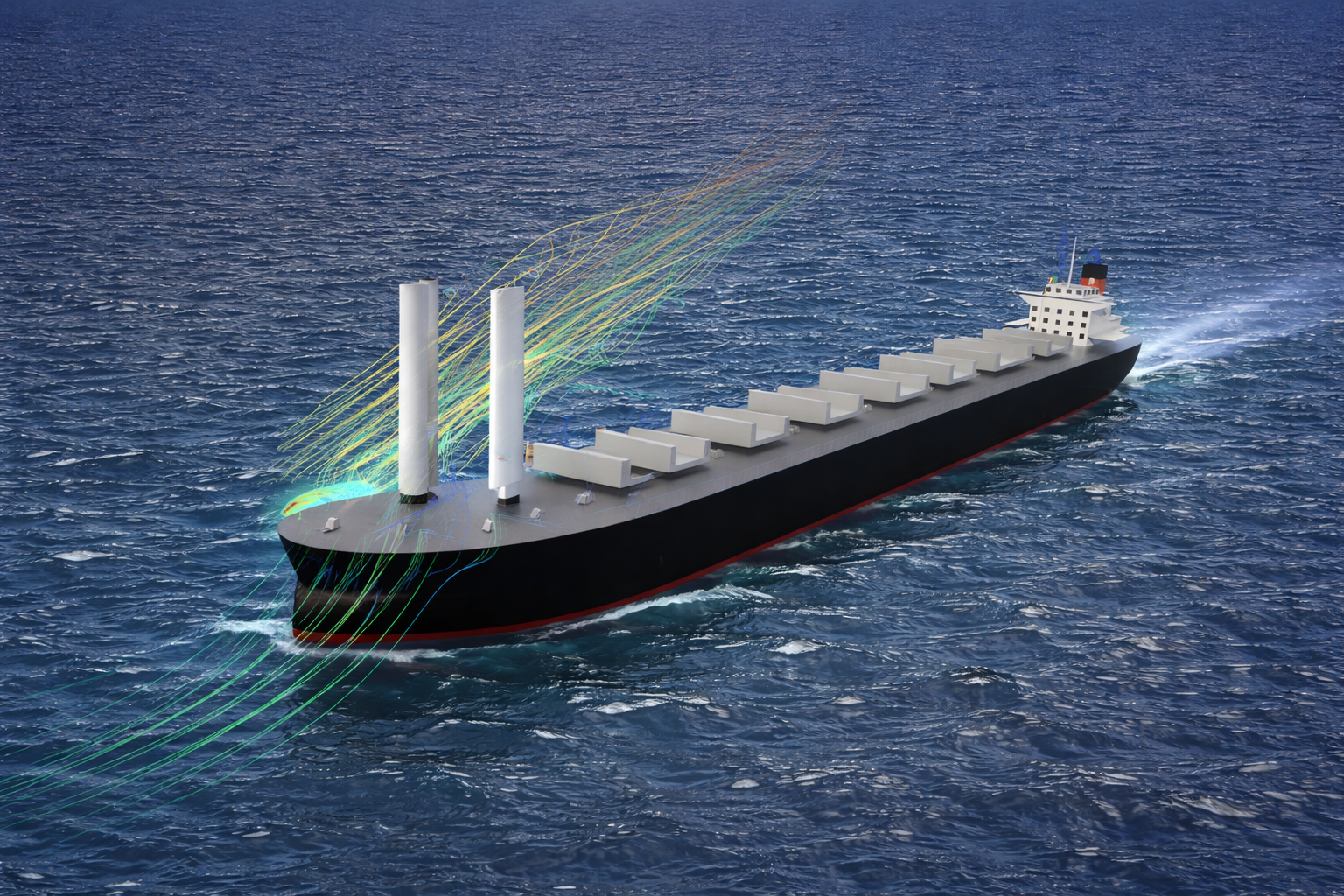
Wind-assisted propulsion systems (WAPS) are no longer experimental concepts. Technologies such as suction sails and Flettner rotors are increasingly installed on commercial vessels, delivering measurable reductions in fuel consumption and emissions. For shipowners and operators navigating tightening environmental regulations and volatile fuel costs, wind energy has become a practical auxiliary power source. However, as adoption grows across the maritime industry, the focus is shifting from installation to performance optimization. The key question is no longer whether wind-assisted propulsion works, but how consistently it can deliver results during real voyages.
One of the most decisive factors influencing this consistency is voyage routing. When routing strategies are aligned with wind-assisted propulsion capabilities, aerodynamic potential can be transformed into predictable operational performance.
Installing a WAPS solution enables a vessel to harness wind energy, but the level of fuel savings achieved depends heavily on operational decisions made during the voyage. Wind conditions constantly change, and without routing strategies that consider these variations, aerodynamic gains may remain occasional rather than systematic.
From both operational and commercial perspectives, predictability is essential. Routing based on wind forecasts allows vessels to remain longer in wind angles and speeds where WAPS systems operate most efficiently. This improves:
Instead of isolated performance peaks, operators gain stable efficiency improvements across entire routes, supporting both environmental targets and commercial performance.
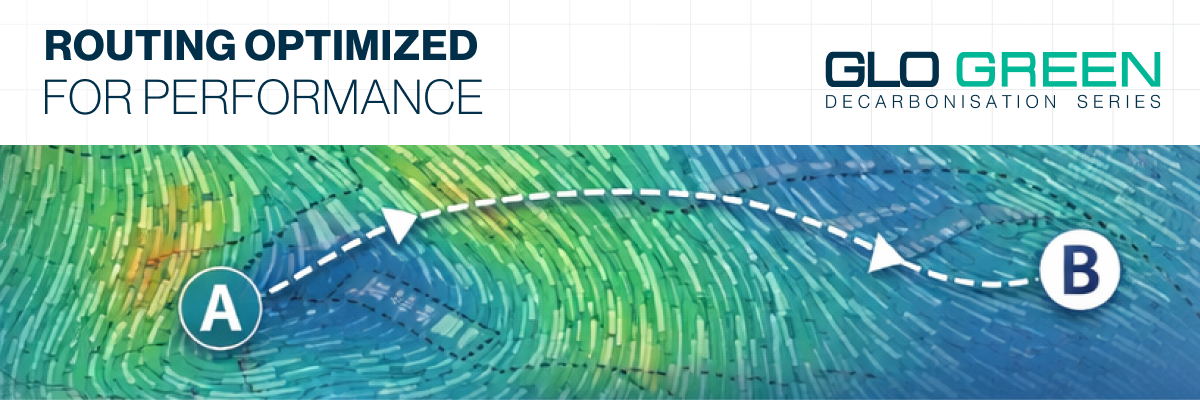
Wind-assisted propulsion systems generate aerodynamic lift, converting wind energy into thrust that reduces the load on the main engine. In practice, their contribution varies continuously throughout a voyage.
Performance is influenced by several operational factors:
This variability does not reduce the value of WAPS. On the contrary, it highlights that wind energy behaves as a dynamic energy source. Its contribution fluctuates with environmental conditions, making operational management and routing decisions essential for maximizing benefits.
Traditional weather routing has historically focused on safety, crew comfort, and schedule reliability. With wind-assisted propulsion installed, routing gains an additional strategic objective: using wind constructively as a propulsion resource.
Routing decisions directly influence:
Modern voyage optimization tools analyze wind forecasts, sea states, and vessel-specific parameters to evaluate alternative routes and speed profiles. This allows operators to maintain safety and commercial schedules while improving overall energy efficiency.
Advanced ship-performance modeling shows that routing becomes increasingly important once wind-assisted propulsion is installed. When vessel response to aerodynamic forces is included in routing calculations, route selection tends to favor trajectories that maintain useful wind angles while minimizing additional resistance. Under favorable wind conditions, optimized routing can increase the effective aerodynamic contribution of a WAPS by up to approximately 50%, transforming sporadic gains into repeatable performance across the entire voyage.
performance modeling.
Wind-assisted propulsion generates forces that are not purely forward-facing. Lateral aerodynamic forces are also created, particularly under wind angles favorable for propulsion.
These forces introduce yaw moments that must be balanced to maintain course. This is typically achieved through:
Both mechanisms introduce additional hydrodynamic resistance. As a result, the net performance benefit of WAPS reflects a balance between aerodynamic thrust and the resistance associated with maintaining stability and control.
Understanding this interaction is essential for realistic performance expectations. Rather than indicating reduced effectiveness, it emphasizes the importance of integrated operational planning and accurate
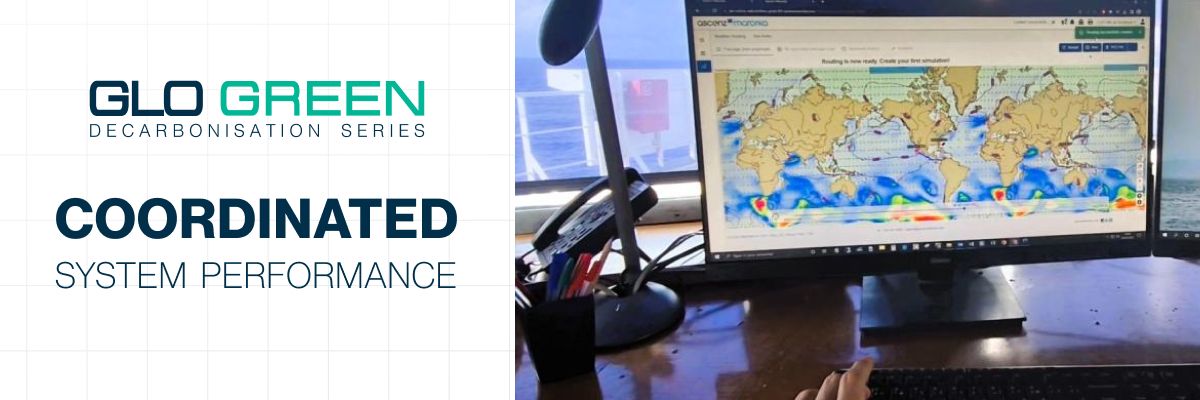
For vessels equipped with wind-assisted propulsion, optimal results are achieved when WAPS is managed as part of a broader operational ecosystem that includes:
This integrated approach enables wind energy to contribute in a controlled, measurable, and repeatable manner. It also aligns operational performance with regulatory compliance requirements and decarbonization strategies across modern fleets.
Wind-assisted propulsion represents a significant step toward maritime decarbonization, but its true value emerges when technology and operations work together. Routing transforms wind from an unpredictable environmental factor into a manageable performance variable.
By integrating voyage optimization with aerodynamic propulsion systems, shipowners and operators can move beyond isolated fuel savings toward stable, voyage-wide efficiency improvements. The result is not only reduced emissions and operational costs, but also greater predictability in an increasingly complex regulatory and commercial landscape.
For forward-looking maritime operators, the combination of WAPS and intelligent routing is no longer just an innovation — it is becoming an operational standard for efficient and sustainable shipping.
Understanding how wind-assisted propulsion and voyage routing interact is essential for achieving reliable, measurable performance improvements at sea. Every vessel, trade route, and operational profile presents unique opportunities for optimization, and the right combination of technology, routing strategy, and performance analysis can significantly improve fuel efficiency and emissions outcomes.
If you would like to explore how wind-assisted propulsion can be integrated into your fleet’s operational strategy, the GLO Marine team is available to support you with technical insights and practical guidance tailored to your vessels and trading patterns.
To better understand the fundamentals of wind-assisted propulsion and its role in modern maritime decarbonization, we also invite you to read our related article: Wind-Assisted Propulsion Systems (WAPS): Modern Solutions for Cleaner Maritime Operations
Contact a GLO Marine specialist today to discuss how routing optimization and wind-assisted propulsion can work together to deliver predictable operational performance and long-term efficiency gains for your fleet.


