 Request an assessment
 +40790870949
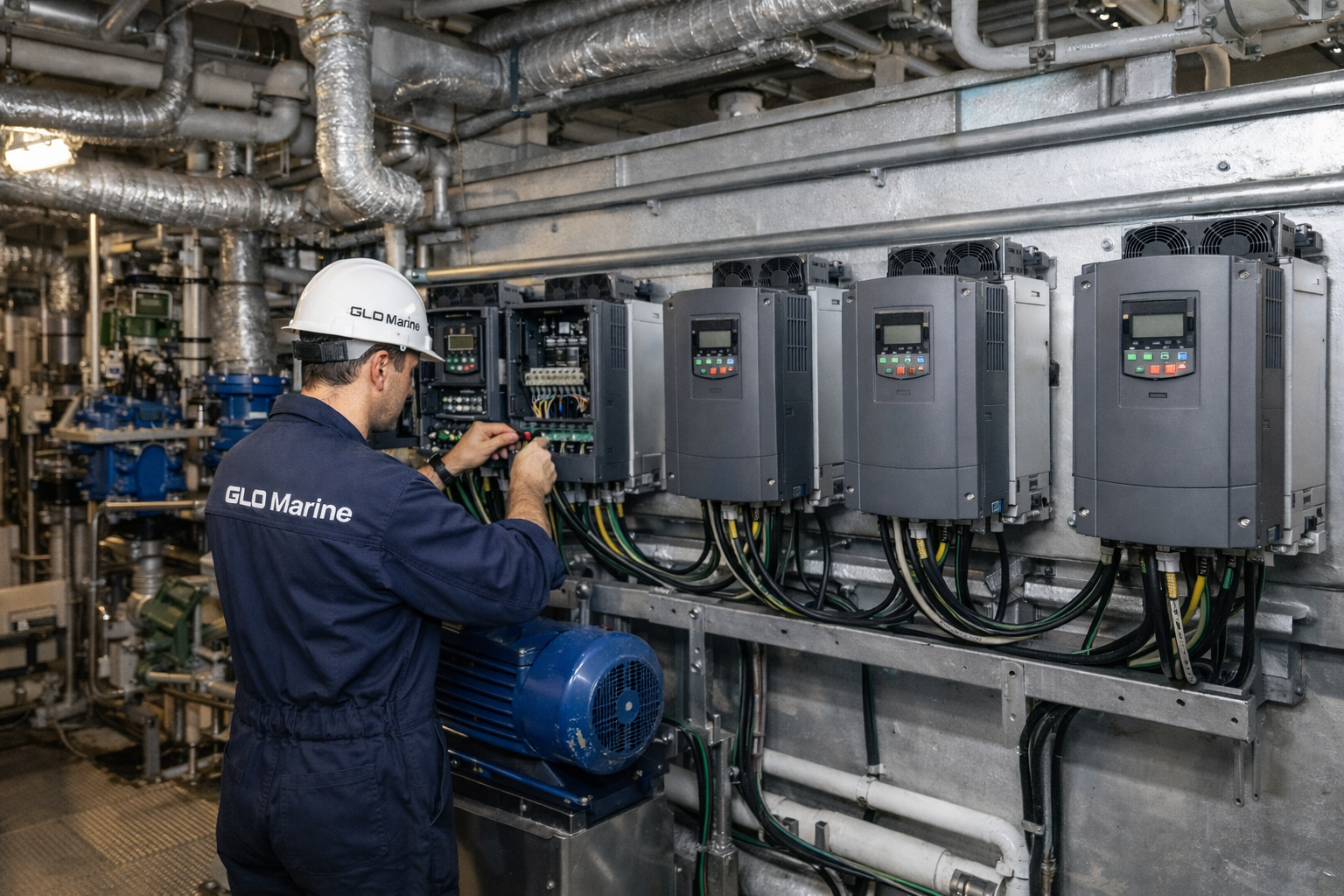
The drive is the easy part. Harmonics, switchboard and automation integration, class approval, and installation are where VFD retrofits go wrong, and that is the scope GLO owns. We are not tied to a drive maker and select from Danfoss, ABB, Siemens, Schneider, or Rockwell to suit your fleet standard.
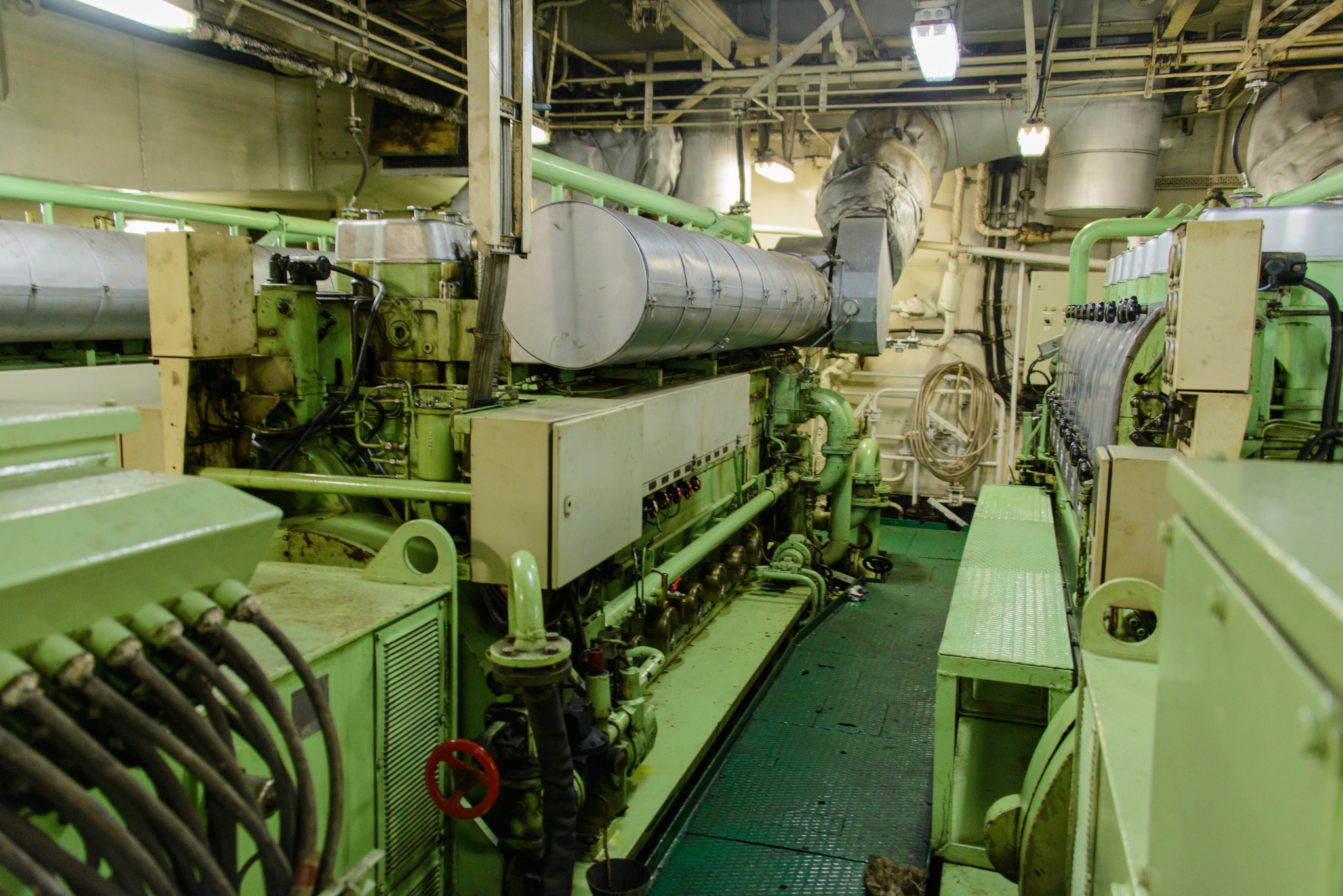
Many auxiliary pumps and fans are designed for maximum operating conditions, but most voyages do not require peak capacity. Fixed speed operation often leads to throttling and wasted energy.
Marine VFD retrofit reduces auxiliary engine load by adjusting motor speed to the required operating point, helping you achieve:
• Lower energy consumption at part load
• Reduced fuel burn where auxiliary power is fuel-driven
• Lower CO2 emissions on your vessel
• Improved operational efficiency without changing vessel operations
A marine Variable Frequency Drive system is an integrated electrical and control solution that regulates the speed and torque of an AC motor by varying the frequency and voltage supplied to it.
In pump and fan applications, this allows flow and pressure to be controlled by adjusting motor speed rather than restricting flow mechanically.

A VFD system integration replaces inefficient fixed-speed operation with intelligent speed control.
Instead of restricting flow mechanically, Variable Frequency Drives:
By matching output to operational requirements, VFD retrofit delivers immediate and measurable energy savings.
The process begins with a technical review of the vessel’s auxiliary systems, with emphasis on pumps and fans operating under variable load conditions.
This stage includes:
The objective is to define where variable speed operation can deliver measurable efficiency gains.
A detailed analysis is carried out to understand load behaviour across different operating conditions. This step focuses on identifying inefficiencies associated with oversizing and flow restriction, and on quantifying their impact on electrical demand. Based on this analysis, potential reductions in power consumption, fuel use, and emissions are estimated. The outcome provides a clear technical and economic basis for the proposed upgrade.
A tailored integration solution is developed based on system requirements and vessel constraints.
This includes:
All designs are prepared to ensure safe, compliant, and reliable operation.
Installation is performed in accordance with the approved engineering design and is planned to align with the vessel's operational constraints. The scope may vary depending on system complexity, but typically includes electrical works and control system integration.
Activities generally involve:
Where possible, installation is coordinated with scheduled maintenance or drydock periods to minimise disruption.
The system is commissioned to verify functionality and performance under real operating conditions. This ensures that all components operate as intended and that the expected efficiency improvements are achieved.
This phase includes:
Where required, post-commissioning support can be provided to monitor performance and confirm long-term energy savings.
Best candidates: seawater cooling pumps, engine room ventilation fans, inert gas blowers, boiler forced-draught fans, and cargo pump room ventilation fans.
What it is worth to you: on time charter the charterer buys the bunkers, so your return is a better CII rating and a more charterable ship. Operating on your own account, you keep the fuel savings as well. NORDEN fitted frequency converters to the seawater cooling pumps of 17 tank and bulk vessels and reported savings above USD 500,000 a year.
What we watch for: pump room fans sit in a hazardous area, so the drive goes in a safe space, and the Ex motor must be certified for converter supply.
Best candidates: seawater cooling pumps, low-temperature freshwater cooling pumps, and engine room supply fans.
What it is worth to you: long passages at steady load mean high running hours, and cooling systems sized for tropical seawater run well below design in temperate and cold water. Temperature-controlled seawater pumps capture that margin. On time charter the gain shows up in your CII rating rather than your fuel bill.
Best candidates: seawater and central cooling pumps sized for full main engine and reefer load, engine room fans and reefer hold ventilation fans.
What it is worth to you: slow steaming and part-loaded reefer capacity leave large cooling and ventilation systems running far below design for most of the voyage.
Best candidates: cargo deck ventilation fans, seawater cooling pumps, and engine room fans.
What it is worth to you: cargo deck fans are sized for vehicles running their engines during loading, but at sea they need a fraction of that airflow. With dozens of large fans per ship, they are often among the largest auxiliary savings on board. Vehicle carriers above 5,000 GT are in CII scope.
Best candidates: HVAC chiller pumps and air handling fans, car deck ventilation, seawater cooling pumps, and engine room ventilation.
What it is worth to you: you pay for your own fuel, so you keep the whole saving. Calls at EU ports bring EU ETS allowances and FuelEU Maritime into the payback, and RoPax ships are in CII scope.
Best candidates: seawater cooling pumps and engine room ventilation on vessels that run several generators at low load in DP mode.
What it is worth to you: CII does not apply to most OSVs, and on day rate the charterer usually pays for fuel. The case rests on lower DP fuel consumption in charterer tenders. On vessels built 2000–2010, the bigger issue is often propulsion and thruster drives reaching end of support: see VFD for marine propulsion.
Not every pump or fan is worth a drive, and we will tell you which ones are not. A drive rarely pays back on:
We screen these out in our first technical review of your vessel, before you commit to any spend.
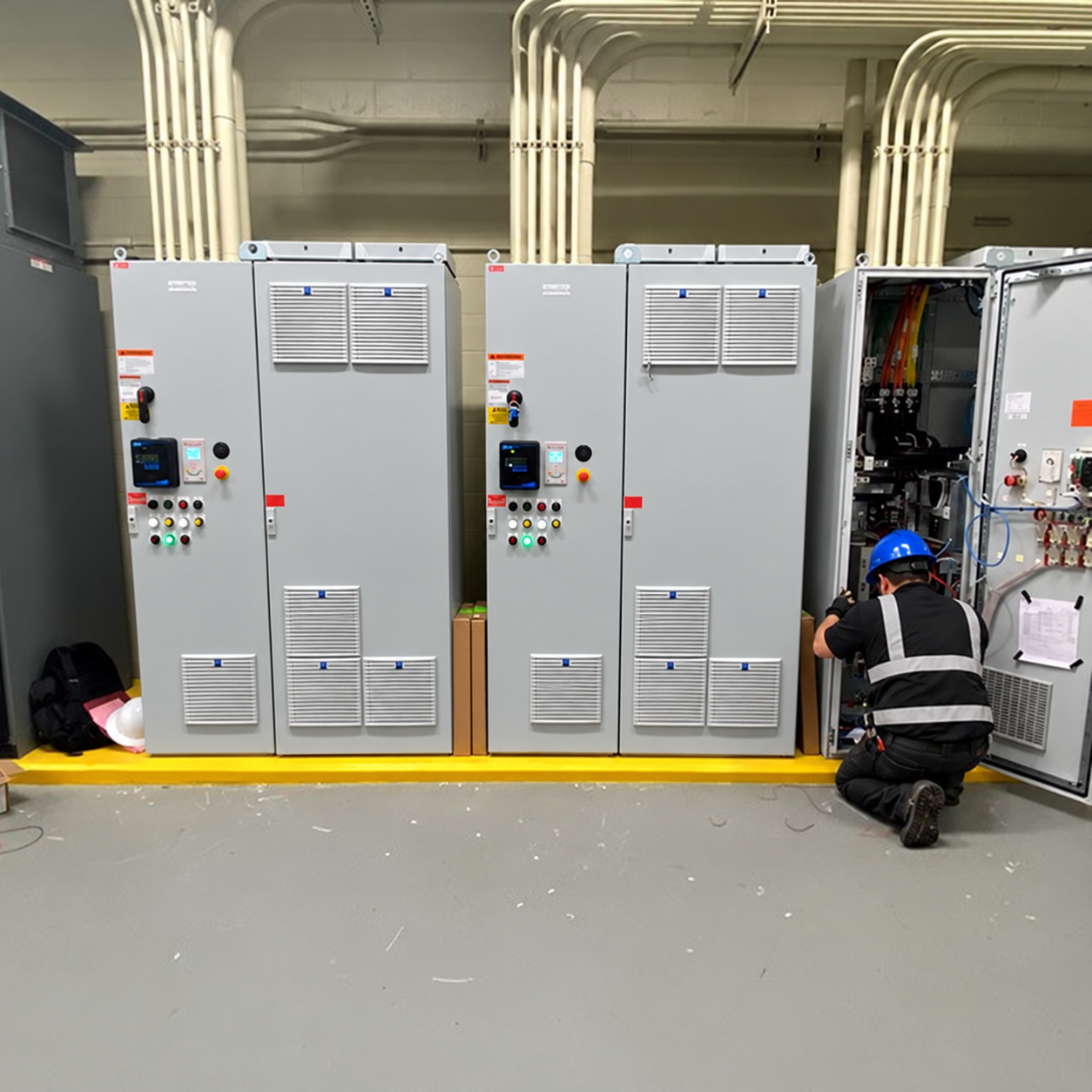
Optimising pumps and fans with variable frequency drives is one of the most effective ways to reduce auxiliary engine load and onboard power demand.
Provide a few technical details below, and our engineering team will evaluate suitability, expected energy reduction, and integration requirements.
Most vessels can benefit from a marine VFD retrofit, especially those with:
A technical assessment is required to evaluate feasibility and expected savings.
A typical marine VFD retrofit involves a complete engineering and integration process, including:
All activities are carried out in accordance with class requirements and marine industry standards, supported by our in-house electrical engineering expertise.
In most cases, a VFD retrofit can be implemented with minimal disruption. Systems are integrated into existing electrical infrastructure, although some modifications to control systems, cabling, or switchboards may be required.
Return on investment typically ranges from 6 months to 2 years, depending on fuel costs, operating hours, and system size. High-use systems often achieve faster payback due to significant energy savings.
By reducing electrical demand and fuel consumption, a marine VFD retrofit directly lowers CO₂ emissions. It is considered one of the most practical and low-risk solutions in a vessel decarbonisation strategy.
Yes. Drives and their installation must meet classification society rules such as DNV, ABS and Lloyd's Register, and the major makers offer type-approved marine versions. We prepare the documentation and manage approval as part of the project.
Installation is typically planned during dry dock or scheduled maintenance periods; however, in some cases, phased installation can be carried out during operation with proper planning.


