Offshore Vessel Mobilisation & System Integration Engineering
From ROV systems and LARS to motion-compensated gangways, cranes, personnel transfer baskets, cable carousels, mezzanine decks, and accommodation modules — GLO Marine delivers class-compliant retrofit, integration, and offshore vessel mobilisation engineering for offshore vessels in service.

Engineering, procurement coordination, and installation support under one accountable team.
Engineering every system onto your offshore vessel

Whether you're planning a temporary offshore mobilisation, installing mission equipment for a subsea campaign, or executing a full offshore vessel conversion, GLO Marine provides the complete vessel-side engineering package — from feasibility and structural design to class approval, installation, and commissioning.

We support offshore vessel mobilization, offshore mobilization, PSV conversion, OSV conversion, and retrofit offshore solutions across the North Sea, West Africa, Middle East, and Asia-Pacific.
Why offshore vessel mobilisations get delayed despite solid engineering

It’s rarely the engineering. It’s the gaps between teams.


  • Equipment arrives, but foundations don’t fit → redesign delays
  • Class approvals take longer than expected → mobilisation window lost
  • Yard teams wait on incomplete engineering inputs
  • Change requests trigger multiple contractor re-scoping
  • Systems don’t integrate → commissioning delays
"

GLO Marine proved to be an adaptive, cooperative, and solution-focused partner.
The scope was well understood, though the Eurocode requirements were slightly underestimated.

What stood out was their open and transparent communication—challenges were identified early, discussed constructively, and resolved quickly. They adapted fast to the required standards, implemented new ideas efficiently, and maintained a high level of quality throughout. We see strong potential for future collaborations.
"
Daniel Günther
Project Manager Grid Field Operations Offshore & HVDC at TenneT
One partner. One scope. Full accountability from engineering through installation.

Integrated Engineering

Naval architecture, structural, electrical, hydraulic, and control systems designed together.

Class Approval Support

DNV, Lloyd’s, Bureau Veritas, ABS — we manage submissions, comments, and approvals.

Vendor Coordination

We work directly with OEMs like Ampelmann, MacGregor, and TMS to align vessel-side interfaces.

Installation & Commissioning

Our engineers stay involved through yard installation, commissioning, and sea trials.
Systems we integrate for offshore vessel mobilisation

From temporary mobilisation equipment to permanent retrofit systems, GLO Marine delivers vessel-side integration engineering across all major offshore system types.


SUBSEA & INTERVENTION
ROV System Integration & Installation Engineering

We develop the vessel-side engineering for ROV installations — including structural foundations, moonpool modifications, tether management, and control system interfaces for work-class and observation ROVs.

  • ROV installation engineering
  • Moonpool reinforcement
  • Control cabin integration

OEMs: Oceaneering, Forum Energy, MacArtney


SUBSEA & INTERVENTION
LARS & VLS Installation Engineering

Launch and Recovery Systems require precise load-case analysis and structural integration. We deliver engineering packages for A-frame LARS, overboarding systems, and vertical lay systems up to 290t capacity.

  • LARS installation engineering
  • Structural grillage design
  • Load case verification

OEMs: MacGregor, Huisman, Kongsberg


SUBSEA & INTERVENTION
Subsea Intervention Equipment Integration

IMR campaigns require multi-system integration — winches, tooling containers, ROV spreads, and deployment systems — delivered as a coordinated engineering package.

  • Subsea intervention equipment integration
  • IMR mobilisation engineering
  • Multi-system interface coordination

ACCESS & CAMPAIGN SYSTEMS
Motion Compensated Gangway Retrofit (W2W)

We provide vessel-side engineering for Ampelmann and other gangway systems, including stability analysis, deck reinforcement, and HPU/control interfaces.

  • Motion compensated gangway installation
  • W2W Ampelmann engineering
  • Stability updates

OEMs: Ampelmann, Uptime, TMS, Barge Master


ACCESS & CAMPAIGN SYSTEMS
Personnel Transfer Basket Engineering

Engineering for PTB installations including crane interface design, structural attachments, and IMO compliance.

  • Personnel transfer basket integration
  • Crane interface engineering
  • Offshore transfer compliance

ACCESS & CAMPAIGN SYSTEMS
Offshore Accommodation Module Integration

We design structural tie-downs, fire and gas interfaces, and SPS-compliant integration for temporary accommodation units.

  • Offshore accommodation module
  • Temporary accommodation units
  • SPS requirements engineering

ACCESS & CAMPAIGN SYSTEMS
Mezzanine Deck Engineering

Temporary or permanent mezzanine decks for equipment storage, diving systems, and expanded workspace.

  • Mezzanine deck offshore platform
  • Structural package
  • Class submission

DECK EQUIPMENT & CONVERSION SYSTEMS
Offshore Crane Installation Engineering

We design pedestal foundations, deck reinforcements, and hydraulic/electrical interfaces for offshore cranes.

  • Crane installation offshore vessel
  • Deck reinforcement engineering
  • Capacity upgrades

OEMs: Heila, Techcrane, NOV


DECK EQUIPMENT & CONVERSION SYSTEMS
Cable Carousel & Lay System Integration

Engineering for cable-laying vessels including turntable foundations and stability analysis for heavy carousel systems.

  • Cable carousel installation
  • PSV conversion to cable laying vessel
  • Deck penetration engineering

DECK EQUIPMENT & CONVERSION SYSTEMS
Modular System Engineering (OSV / PSV)

Integration of containerised campaign systems including skids, labs, and subsea tooling.

  • Modular system OSV
  • Temporary offshore equipment
  • Utility interface engineering

DECK EQUIPMENT & CONVERSION SYSTEMS
Electrical & Power System Retrofit

We design switchboard upgrades, power distribution, and PMS interfaces required for system integrations.

  • Electrical retrofit offshore vessel
  • Power system upgrade OSV
  • PMS integration
Mobilisation and conversion engineering — what’s the difference?

Mobilisation engineering
Temporary campaign equipment installed onboard, typically delivered within short timeframes. The vessel is prepared for a specific operation and can return to its base configuration after completion. The focus is on speed, integration, and execution within a defined mobilisation window.


Conversion engineering
Permanent modifications that change the vessel’s operational profile. This includes structural upgrades, stability changes, and new system integration for long-term use. The focus is on durability, compliance, and expanded capability.

Common offshore vessel conversion pathways for campaign-driven upgrades

PSV to Walk-to-Work (W2W)

Gangway integration, stability update, and SPS class notation for offshore personnel transfer operations. Typical timeline: 12–20 weeks Class: SPS

OSV to IMR / Subsea Support

ROV systems, LARS integration, and power upgrades for inspection, maintenance, and repair campaigns. Typical timeline: 10–18 weeks Class: DP2

PSV to Cable Laying Vessel

Carousel foundations, deck reinforcement, and cable handling system integration. Typical timeline: 16–28 weeks Class: Cable Ship

OSV to Offshore Accommodation

Temporary or permanent accommodation modules with SPS compliance and safety systems integration. Typical timeline: 8–16 weeks Class: SPS
From Requirement to Ready-to-Operate — How We Work

Our mobilisation and integration process is structured to minimise engineering iterations, compress lead times, and eliminate surprises at the yard.

We assess vessel structural reserves, stability margins, and deck capacity against the target system's requirements. You receive a concise feasibility note within days — not weeks.

Structural drawings, foundation calculations, stability booklet updates, and class submission documents — all delivered as a single coordinated package. No gaps between disciplines.

We liaise with DNV, Lloyd's Register, Bureau Veritas, and other class societies on your behalf — managing comments, revisions, and approval milestones to your project schedule.
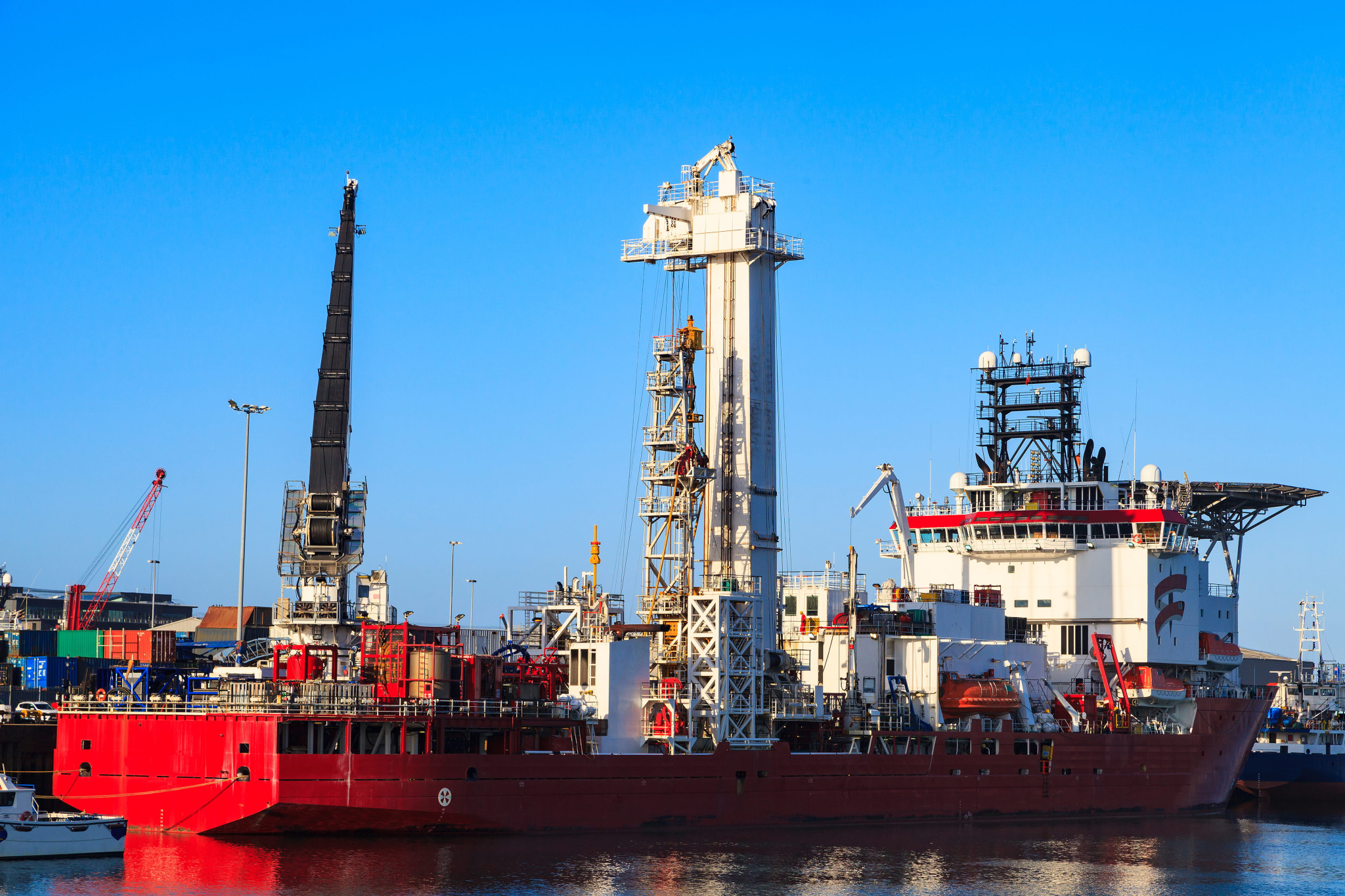
We support material procurement, fabrication oversight, and yard technical queries — acting as your engineering representative during the build phase.

Our riding engineers and installation teams supervise installation, commissioning, and operational trials — ensuring systems are delivered ready to work, not just ready to test.
Naval architecture at the core

Mobilisation begins with validating vessel fundamentals: structural capacity, stability margins, and integration feasibility.

Core disciplines:

Naval architecture

  • Structural engineering (FEM)
  • Electrical & control systems
  • Hydraulic systems
  • Class compliance
  • Project management

These disciplines form the foundation for safe, class-compliant offshore vessel mobilisation and system integration.

Proven delivery across offshore vessel mobilisation and integration

60+

Mobilisation, retrofit, and integration projects executed across offshore vessel types and campaign scopes.

14+

Different system categories engineered and integrated onboard vessels, from ROV and LARS to gangways, cranes, and modular equipment.

ISO 9001

Engineering processes and project delivery aligned with internationally recognised quality management and documentation standards.

Global

Projects executed across the North Sea, West Africa, Middle East, and Asia-Pacific, supporting a wide range of offshore operations.
FAQ About Offshore Vessel Mobilisation & System Integration

Practical answers to the questions that arise when planning offshore vessel mobilisation projects — from feasibility and timelines to interfaces and delivery risk. If you’re working against a mobilisation window, we can review your vessel and system directly.

That depends on structural capacity, stability margins, available deck space, and existing systems onboard.

We typically assess:

  • deck load capacity and reinforcement requirements
  • global and local structural strength
  • vessel stability under operational load cases
  • available power and system interfaces

We can provide a feasibility assessment within days, identifying whether the installation is viable and what modifications are required before committing to detailed engineering.

Delays are rarely caused by core engineering — they come from interface gaps.

Typical issues include:

  • equipment and foundation mismatch
  • late or iterative Class comments
  • incomplete input to the yard
  • misalignment between OEM, engineering, and installation teams

Our approach eliminates these by managing engineering, vendor coordination, and Class liaison under one scope, so interfaces are resolved early — not during installation.

Yes — and that’s a critical part of our role.

We regularly coordinate with OEMs such as:

  • Ampelmann (gangways)
  • MacGregor / Huisman (LARS, cranes)
  • TMS, Uptime, and other system providers

We take ownership of the vessel-side interface engineering, ensuring alignment on:

  • loads and structural interfaces
  • hydraulic and electrical requirements
  • control system integration
  • installation constraints

This reduces rework and shortens approval cycles.

For most mobilisation scopes:

  • Feasibility: a few days
  • Detailed engineering: ~3–6 weeks
  • Class approval: parallel, depending on complexity and responsiveness

The biggest variable is not engineering — it’s how early Class and OEM inputs are aligned.

We engage Class (DNV, BV, Lloyd’s, etc.) early and manage submissions directly to keep timelines predictable.

We do.

Because we deliver:

  • integrated engineering across disciplines
  • coordinated vendor interfaces
  • installation support

If something doesn’t fit or align during installation, it’s our scope to resolve it, not a gap between contractors.

This is one of the main reasons clients use a single integration partner instead of multiple parties.

Both — but most projects start as mobilisation.

We support:

  • temporary campaign mobilisations (ROV, LARS, W2W, etc.)
  • hybrid scopes where mobilisation evolves into upgrades
  • full vessel conversions (PSV to SOV, cable lay, IMR, accommodation)

The engineering approach is consistent, but conversion projects involve deeper structural and regulatory scope.

Get in touch to discuss your vessel mobilisation

Let’s plan your offshore vessel mobilisation or system integration

With tight mobilisation windows, Class requirements, and multiple system interfaces, early engineering alignment reduces delays, rework, and execution risk.

What we can support with:

  • Offshore vessel mobilisation engineering
  • System integration for ROV, LARS, gangways, cranes, and modular equipment
  • Feasibility assessments and installation constraints
  • Class approval coordination (DNV, ABS, BV, Lloyd’s)
  • Vessel conversion and retrofit engineering pathways

Tell us what you’re planning for your vessel, and we’ll recommend the next steps.


3000 characters left