A LARS retrofit is rarely a straightforward equipment replacement.
Changes to equipment weight, footprint, operational loads and foundation geometry can all affect the vessel's existing structure. Without proper engineering, seemingly minor modifications often lead to redesigns, fabrication delays and class comments.
This guide explains how a coordinated engineering approach validates the vessel before fabrication begins, reducing uncertainty throughout the retrofit.
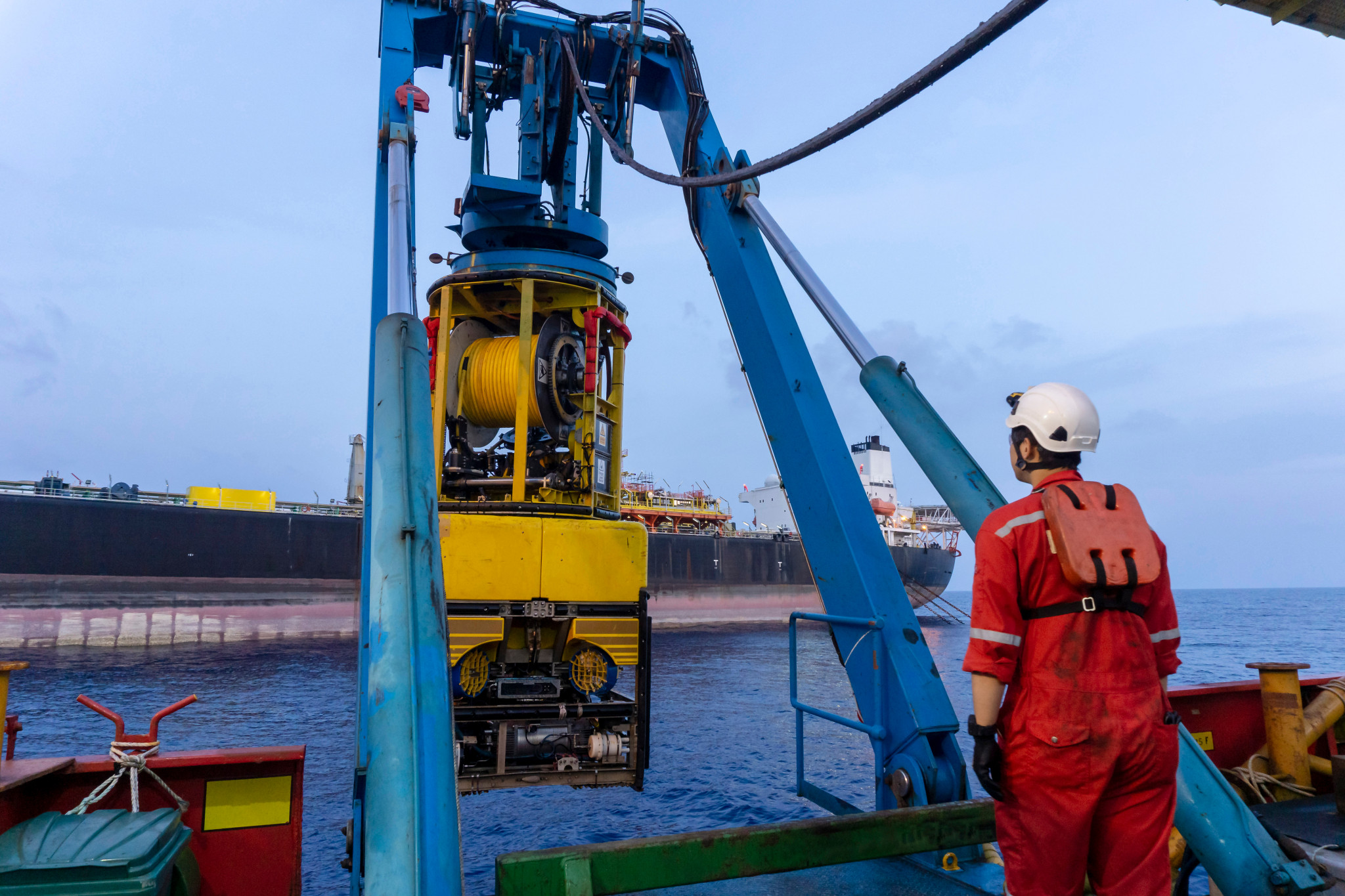
Every LARS retrofit begins with understanding the vessel's existing structural capability.
GLO Marine provides integrated engineering covering:
By coordinating these activities under one engineering scope, we help minimise rework, reduce project risk and support efficient offshore upgrades.
Retrofitting a Launch and Recovery System requires more than replacing equipment. Every modification must be validated against the vessel's existing structure, operational requirements and regulatory obligations.
This guide explains how coordinated structural engineering supports informed decisions from the earliest design stages through fabrication, installation and final approval.
Inside the guide you'll explore:
Use it as a practical reference when planning a new LARS installation or retrofit project.
A successful LARS retrofit depends on clear engineering, coordinated stakeholders and a controlled design process.
GLO Marine delivers structural engineering, detailed design, installation support and class documentation for complex offshore vessel modifications, helping owners reduce technical risk while keeping retrofit programmes on schedule.
Explore our Offshore Vessel Mobilisation & Systems Integration services to see how we support retrofit projects from concept through commissioning.


