Cable Laying System Integration

Engineering the integration of cable laying systems on offshore vessels requires coordinated structural, marine, electrical and class engineering.

This guide explores the complete engineering process behind Cable Lay Vessel (CLV) projects, multipurpose vessel upgrades and PSV-to-cable-lay conversions, from feasibility and load assessment through detailed engineering, procurement support, installation and commissioning.

Cable laying projects combine some of the most demanding engineering disciplines within a single vessel upgrade.

Dynamic positioning capability, structural reinforcement, carousel and tensioner foundations, cable routing, stability, electrical integration and class compliance must all be engineered as one coordinated system to ensure safe offshore operations.

This guide outlines the engineering methodology used to manage these projects from concept through execution.
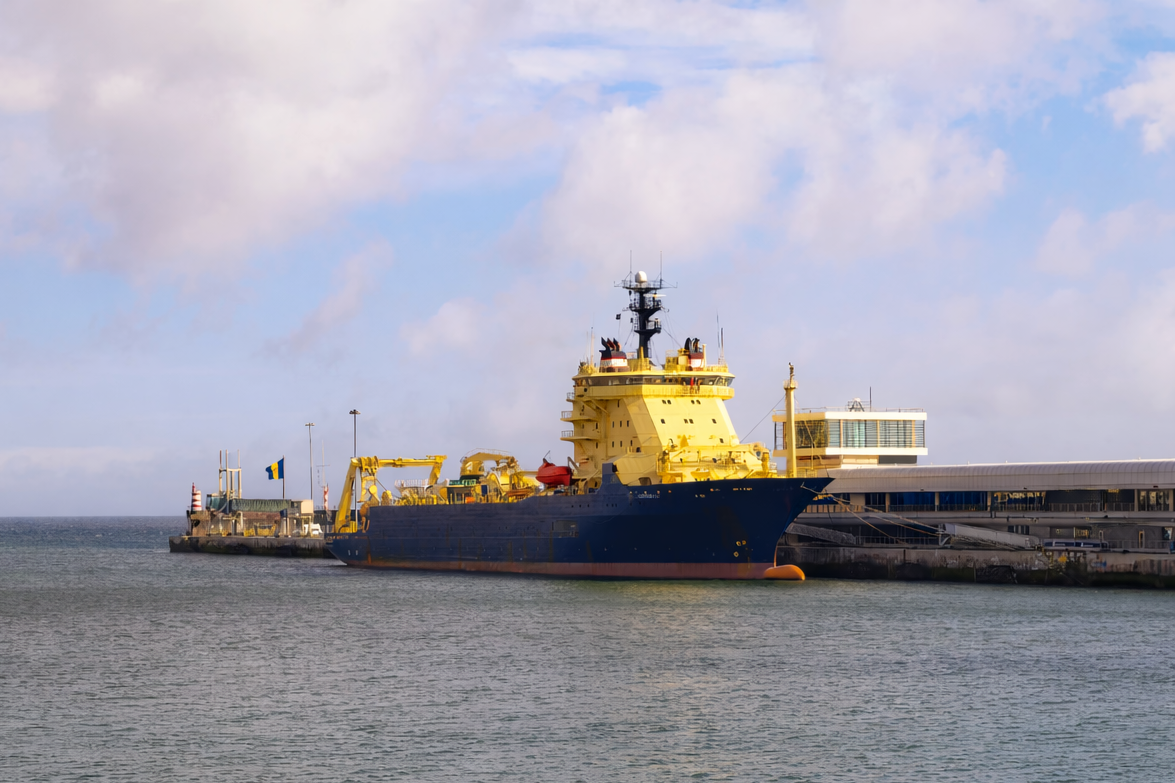
One engineering workflow. One accountable delivery team.

Successful cable lay integrations require every engineering discipline to work from a common technical baseline.

GLO Marine delivers multidisciplinary engineering covering:

  • Feasibility studies and vessel suitability assessments
  • DP capability and operational analysis
  • Structural engineering and FEM verification
  • Foundation and deck reinforcement design
  • Stability and weight management
  • Cable path and equipment integration
  • OEM coordination and procurement support
  • Installation engineering, commissioning and class approval

Every phase is developed against validated vessel data, confirmed equipment information and regulatory requirements before installation begins.
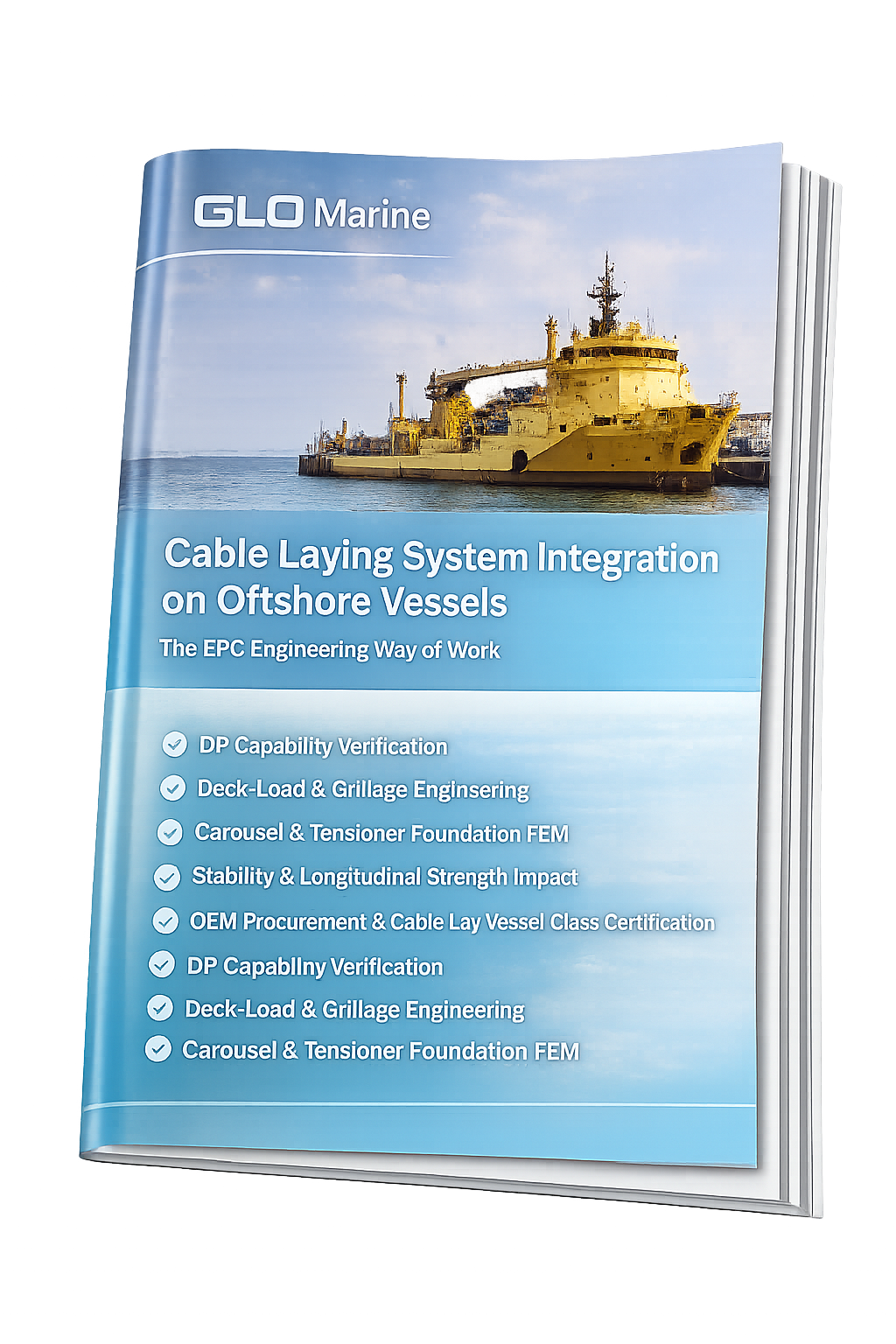

Download the Engineering Guide

Discover the engineering methodology behind offshore cable laying system integrations.

Inside the guide you'll find:

● Vessel suitability assessment
● DP capability evaluation
● Structural engineering methodology
● Foundation and cable path design
● Installation and certification workflow

Complete the form to receive the guide.
Download Guide
Inside the Guide

Feasibility & Vessel Assessment

Evaluate vessel suitability, deck capacity, operational requirements and Dynamic Positioning capability before defining the integration scope.

Structural & Marine Engineering

Develop structural reinforcements, carousel and tensioner foundations, stability updates, weight assessments and global FEM analyses for the complete installation.

Systems Integration

Engineer cable routing, equipment interfaces, electrical systems, hydraulic connections and OEM coordination to achieve a fully integrated cable laying system.

Installation & Certification

Support fabrication, onboard installation, commissioning, DP verification and class approval through to operational readiness.

A structured engineering approach to cable lay projects


Cable laying system integration extends beyond equipment installation. It requires coordinated engineering across vessel capability, structural integrity, marine operations and regulatory compliance.

This guide presents a structured engineering framework that establishes the technical baseline before progressing into detailed design, procurement, installation and commissioning.

Inside the guide you'll explore:

  • Vessel suitability and feasibility studies
  • DP capability assessment
  • Structural and foundation engineering
  • Stability and load calculations
  • Cable path development
  • OEM coordination
  • Installation planning
  • Commissioning and class certification

Use this guide as a technical reference for planning cable laying system integrations and offshore vessel conversion projects.


Supporting cable lay projects from concept to offshore operations

Cable laying system integration requires coordinated engineering across structural design, marine systems, electrical integration, procurement, installation and certification to deliver safe, reliable and operationally efficient offshore assets.

Explore our Offshore Vessel Mobilisation & Systems Integration capabilities to see how GLO Marine supports complex offshore retrofit and conversion projects from feasibility through commissioning.


3000 characters left